
Vol. 1 No. 2 (2025): Hermeneutics in Metropolitan of Pergamon John Zizioulas
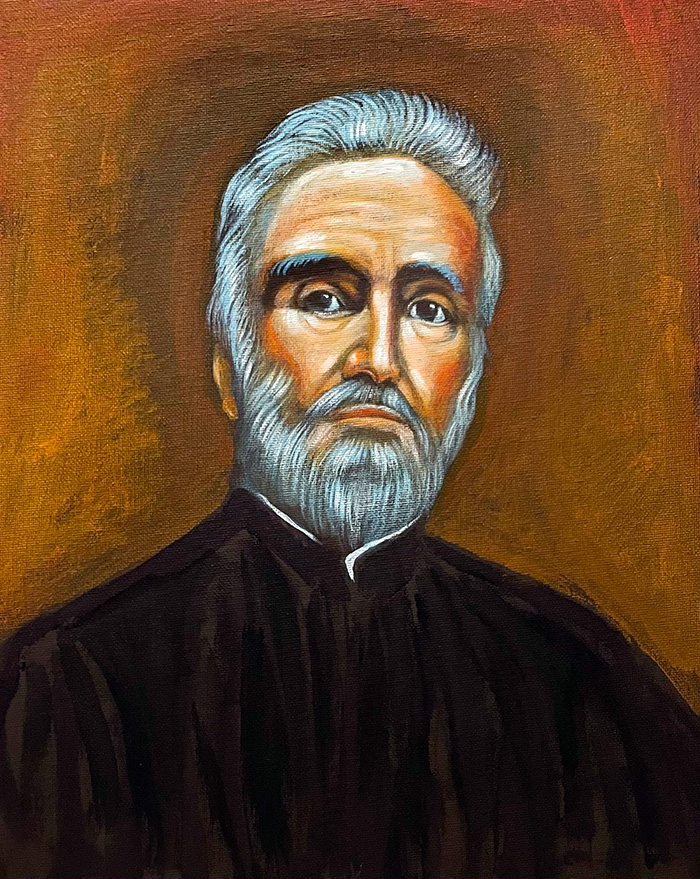
There is no doubt that hermeneutics has held a central place in human intellectual reflection since the earliest stages of human history. For instance, when we consider the Genesis story (1-2) about the creation of human beings and their relationship with God in the Garden of Eden, it becomes clear that even in this primitive context, humans engage with God and nature through a hermeneutical lens, making decisions about whether to follow God’s commandments based on certain assumptions. Thus, any approach to or participation in, as well as interaction with, the surrounding reality constitutes a hermeneutical endeavor, either conscious or unconscious. Simultaneously, human beings seek to interpret aspects of reality that go beyond empirical verification, especially through the strict sciences. This reflects a natural inclination toward searching for transcendent truth and grappling with the unknown. Consequently, if hermeneutics involves capturing the meaning and truth of history and existence, then theology—specifically the theological interpretation of history and existence—must play a significant role in this multi-layered perspective. As has been noted, “theology is the origin of hermeneutics,” indicating that any hermeneutical perspective retains some connection to its theological roots. So, what is the role of hermeneutics in contemporary Orthodox theology? How does John Zizioulas engage with modern hermeneutical issues? The second issue of the journal aims to explore aspects of the theological hermeneutics of Metropolitan John Zizioulas of Pergamon, critically addressing contemporary issues and challenges. It also contains unpublished material relevant to the way Zizioulas understands the topic.